
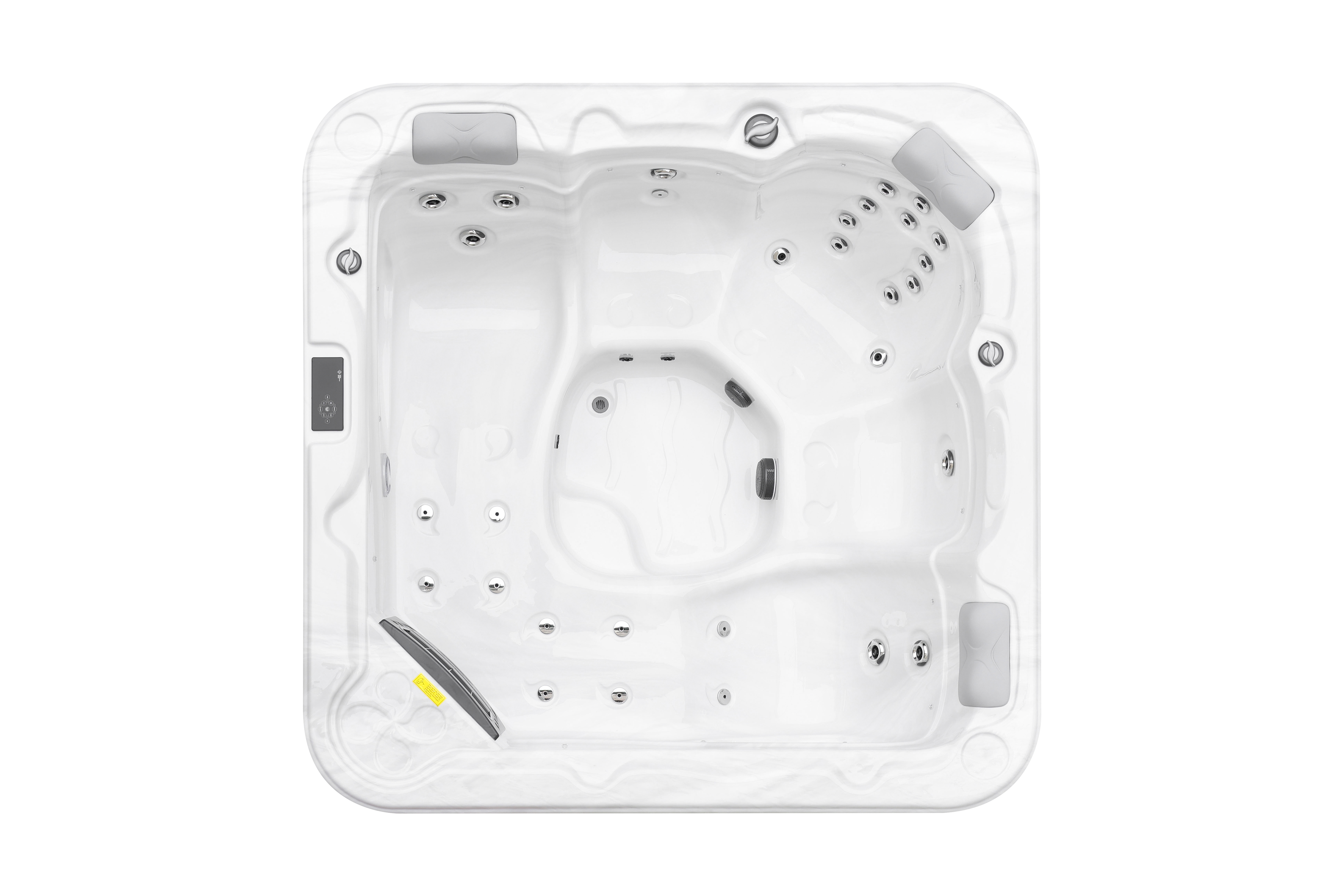
The word "hydrotherapy" gets used freely in hot-tub marketing, but what does the science actually say? A growing body of peer-reviewed research supports several meaningful health claims — with some important caveats.
Stress Reduction and Cortisol
A 2022 meta-analysis in the Journal of Physiology found that passive immersion in warm water (38–40 °C) for 20–30 minutes reduced salivary cortisol levels by an average of 18% in healthy adults. The mechanism is well understood: warm water activates the parasympathetic nervous system, slowing heart rate and lowering blood pressure.
Sleep Quality
One of the most robust findings in hydrotherapy research is the effect on sleep onset. The body naturally cools before sleep; soaking in warm water 90 minutes before bed raises core temperature, which then drops rapidly on exit — mimicking and accelerating this natural process. A 2019 University of Texas systematic review of 13 studies found that a warm soak 1–2 hours before bed reduced sleep-onset latency by an average of 10 minutes.
Arthritis and Musculoskeletal Pain
Warm-water immersion reduces the effective weight that joints must bear (buoyancy reduces loading by up to 90% in chest-deep water) while heat increases blood flow to muscles and connective tissue. The Arthritis Foundation explicitly endorses warm-water exercise and immersion as a complementary therapy for osteoarthritis and rheumatoid arthritis.
Cardiovascular Benefits
Emerging research (Laukkanen et al., 2018, Mayo Clinic Proceedings) draws a parallel between regular sauna and hot-tub use and reduced cardiovascular mortality. While causality has not been definitively established, the data are compelling enough to have prompted several randomised controlled trials currently underway.
Practical Recommendations
- Limit sessions to 20–30 minutes at temperatures of 38–40 °C.
- Stay hydrated — warm water causes sweating even though you may not feel it.
- Consult a physician if you have cardiovascular disease, are pregnant, or take medications that affect blood pressure.
A quality hot tub, used regularly and correctly, is a genuine wellness tool — not merely a lifestyle accessory.